The Anatomy of a Brand: How Presentation Tools Define Modern Business Identity
In the contemporary marketplace, a brand is no longer merely a logo or a slogan. It is a comprehensive sensory experience, a narrative communicated through every touchpoint with a customer or stakeholder. For entrepreneurs, marketers, and product managers, one of the most critical touchpoints is the presentation. It is the forum where visions are shared, products are unveiled, and strategies are aligned. The tools used to craft these presentations have therefore evolved from simple slide makers to essential instruments of brand definition.
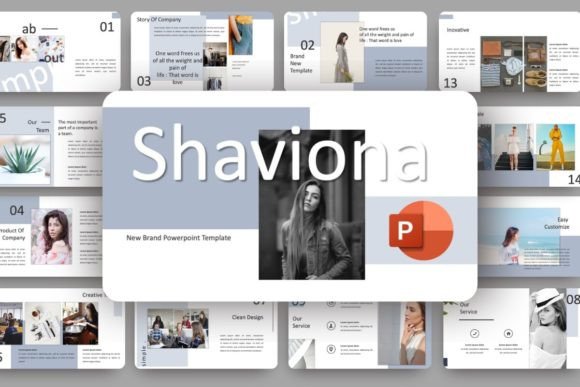
A presentation template is the scaffold upon which this narrative is built. Consider the Shaviona Brand Powerpoint Template. It is not just a collection of slides; it is a system designed to translate brand ethos into visual communication. When we speak of a template like this, we are discussing a framework that imposes order, consistency, and aesthetic intent on the often-chaotic process of conveying complex ideas.
The Foundational Role of Design Systems in Communication
The core value of a specialized presentation template lies in its function as a design system. A disjointed presentation, with inconsistent fonts, clashing colors, and varying layouts, undermines brand authority. It suggests a lack of cohesion and attention to detail. Conversely, a presentation built on a unified template signals professionalism and control. The Shaviona Brand Powerpoint Template, with its emphasis on a sleek and modern design, provides this foundational system. Its clean aesthetic acts not as a decorative layer, but as a neutral canvas that prioritizes the content—the brand message and product details—while ensuring that the container itself does not distract.
This approach is particularly vital in a digital environment where attention is fragmented. A polished, seamless presentation experience, as offered by a collection of 26 meticulously designed slides, helps to hold audience focus. Each slide becomes a predictable and reliable frame, allowing the viewer to concentrate on the evolving narrative rather than adjusting to a new visual format with every click.
Customization as Brand Alignment, Not Mere Decoration
A common misconception is that templates are restrictive. The sophisticated template, however, is built for strategic flexibility. Features like customizable color palettes are not about arbitrary decoration; they are about alignment. The ability to effortlessly modify colors to match a brand's unique scheme is a practical necessity for maintaining visual identity. It ensures that a presentation to investors, an internal team briefing, or a client showcase feels intrinsically part of the same brand universe.
Similarly, flexible text and media elements empower the creator. The ease of editing text boxes, inserting images, and incorporating graphics allows for the creation of a customized narrative without requiring advanced design skills. This democratizes high-quality brand presentation, enabling subject-matter experts—the product manager with deep technical knowledge or the entrepreneur with the visionary story—to be the primary authors, supported by a tool that handles the visual rigor.
Structuring the Narrative: From Introduction to Data
A powerful brand presentation follows a logical arc. It introduces, explains, demonstrates, and persuades. A well-constructed template anticipates and facilitates this arc.
- The Opening Statement: An impressive title slide is not merely a cover page. It is the first impression, the moment that grabs attention and sets the tone. It establishes the brand's identity visually and textually before a single word is spoken.
- The Core Showcase: For product-centric presentations, the ability to highlight products with elegance and precision is paramount. Slides dedicated to product showcases, offering ample space for images, descriptions, and key details, transform a simple list into an engaging exhibition. This shifts the focus from specification sheets to experiential benefits.
- The Persuasive Evidence: Modern business decisions are driven by data. However, raw data is often inert. The inclusion of infographics and charts within a template allows for data and statistics to be presented in a visually appealing format. This transforms numbers into a story, captivating the audience and conveying information with much greater effectiveness.
This structured approach, embedded within the Shaviona Brand Powerpoint Template's slide variety, guides the presenter through a complete brand story, reducing the cognitive load of structuring the presentation and increasing the focus on content quality.
Real-World Applications Across Professional Roles
The utility of such a tool spans a broad spectrum of users, each with distinct objectives.
For the entrepreneur, it is a pitching instrument. It conveys the professionalism and viability of a startup to potential investors or partners. The cohesive look assures them that the venture is meticulously planned, down to its communications.
For the marketer, it is a multi-purpose vehicle. It can be used for internal campaign rollouts, agency briefings, or market analysis reports. The consistent branding across all these presentations reinforces the marketing department's own internal brand as organized and strategic.
For the product manager, it becomes a launch pad and educational tool. New product introductions, feature update reviews for sales teams, or technical overviews for developers all require clear communication. A template ensures that regardless of the audience, the product is presented with the same visual dignity and clarity.
Beyond these, educators can use it to create compelling course material on branding or business; researchers can present findings with a polished, corporate-ready aesthetic; and freelancers or small business owners can project a level of sophistication that competes with larger entities.
Considerations for Selecting a Presentation Framework
While the advantages are clear, the choice to adopt a specific template system should be deliberate. Key considerations include:
- Depth vs. Breadth: Does the template offer enough slide variety (like the 26 slides mentioned) to cover all anticipated presentation types without forcing awkward adaptations?
- True Editability: Are the customizable elements—colors, fonts, layouts—easily accessible within the standard presentation software, or do they require specialized knowledge?
- Aesthetic Compatibility: Does the template's base "sleek and modern design" align with the brand's personality? A minimalist template may not suit a brand that is inherently vibrant and chaotic.
- Focus on Content Support: Ultimately, the best template is one that feels invisible. It should not draw attention to itself but should make the brand and product content shine more brightly. The template's role is supportive, not dominant.
The Evolution of Brand Tools in a Visual Economy
We operate in a visual economy. Brand perception is built and altered through images, layouts, and designs consumed digitally and in person. The presentation template has consequently ascended from a utility to a strategic asset. It is a pre-packaged kit of visual brand governance. By ensuring consistency, enabling customization, and providing a logical narrative structure, tools like the Shaviona Brand Powerpoint Template address a fundamental business need: the need to communicate complex identity and value propositions with clarity, confidence, and uncompromising professionalism.
The final observation is that the most effective use of such a template comes from understanding its purpose. It is not about filling in blanks. It is about using a refined, coherent framework to tell a unique and compelling brand story. The template provides the grammar; the user supplies the powerful, individual vocabulary of their specific brand and products.