Location Icons: Enhancing Visual Communication Across Multiple Platforms
Location Icons are a versatile and essential tool for anyone looking to add clarity, professionalism, and visual appeal to their projects. Whether you're designing a website, creating a mobile app, or putting together a print brochure, these icons can significantly enhance the user experience and convey information more effectively.
Understanding Location Icons
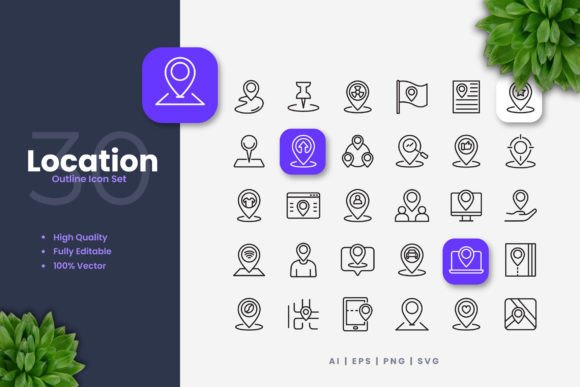
Location Icons are a set of high-quality, vector-based icons specifically designed to represent various geographical and directional elements. These icons are perfect for adding a touch of sophistication and functionality to any project. They are particularly useful in scenarios where clear and concise visual communication is crucial, such as in maps, navigation systems, and informational graphics.
Where Location Icons Fit in Your Workflow
Incorporating Location Icons into your workflow can be a seamless and efficient process. Here’s how they can fit into different stages of your project:
- Planning and Brainstorming: During the initial planning phase, you can use Location Icons to sketch out ideas and visualize the layout of your project. This helps in determining the best placement and design for location-related elements.
- Design and Development: Once you have a clear plan, you can integrate these icons into your design. Their high-quality and customizable nature makes them ideal for both web and print projects.
- Review and Feedback: Share your designs with stakeholders and gather feedback. The clean and professional look of Location Icons can help in presenting a polished and finished appearance, even in the early stages.
- Final Implementation and Launch: After incorporating feedback, finalize your project. The ease of resizing and editing these icons ensures that they will look great across all platforms and devices.
Practical Use Cases for Location Icons
Location Icons are incredibly versatile and can be used in a wide range of applications. Here are some practical examples:
- Websites and Mobile Apps: Use Location Icons to enhance the user interface and provide clear navigation cues. For example, a map icon can direct users to a specific location, while a compass icon can indicate directions.
- Social Media and Infographics: Incorporate these icons into your social media posts and infographics to make them more engaging and informative. A well-placed location icon can help highlight key points and make your content more visually appealing.
- Flyers, Banners, and Posters: Add a professional touch to your print materials by using Location Icons. They can help in guiding the viewer's attention and providing additional context to your message.
- Books and Publications: In educational and informational books, Location Icons can be used to illustrate concepts and provide visual aids. This can make the content more accessible and easier to understand.
Editing and Customizing Location Icons
One of the key advantages of Location Icons is their flexibility. You can easily edit, resize, and customize them using vector software like Adobe Illustrator and CorelDRAW. Here are some tips for making the most of this feature:
- Resizing: Since these icons are vector-based, you can scale them up or down without losing quality. This is particularly useful when you need to use the same icon in different sizes across multiple platforms.
- Color Customization: Change the color of the icons to match your brand or project theme. This can be done quickly and easily in vector software, ensuring that the icons blend seamlessly with your overall design.
- Stroke Weight Adjustment: Adjust the stroke weight to make the icons more subtle or more prominent, depending on your needs. This can help in achieving the right balance and emphasis in your design.
Files Included and Compatibility
To ensure that you have everything you need to start using Location Icons, the following files are included:
- Source File (Ai): The original vector file, which can be edited in Adobe Illustrator.
- EPS Version 10: An EPS file compatible with a wide range of vector software.
- SVG File: A scalable vector graphic file, ideal for web and digital use.
- PNG Transparency: A transparent PNG file, perfect for use in raster-based projects.
- Readme.txt: A text file containing instructions and additional information.
Note that the preview mockup is not included in the package. This ensures that you have a clean slate to work with and can fully customize the icons to meet your specific needs.
Integrating Location Icons into Your Projects
To integrate Location Icons smoothly into your projects, consider the following steps:
- Assess Your Needs: Determine where and how you will use the icons. This will help you choose the right icons and plan their placement effectively.
- Select and Customize: Choose the icons that best fit your project and customize them as needed. This might involve changing colors, adjusting stroke weights, or resizing.
- Test and Iterate: Test the icons in your design and gather feedback. Make any necessary adjustments to ensure that the icons are both functional and aesthetically pleasing.
- Finalize and Publish: Once you are satisfied with the design, finalize it and publish or print your project. The high-quality and versatility of Location Icons will ensure that your final product looks professional and polished.
Conclusion
Location Icons are a valuable asset for anyone looking to enhance the visual communication and functionality of their projects. With their high-quality design, customization options, and compatibility with various platforms, they can be seamlessly integrated into a wide range of workflows. By following the tips and best practices outlined in this article, you can make the most of these icons and elevate the quality of your work.