Visualizing Honor: How A Group of Veterans Illustration Integrates into Your Creative and Professional Workflow
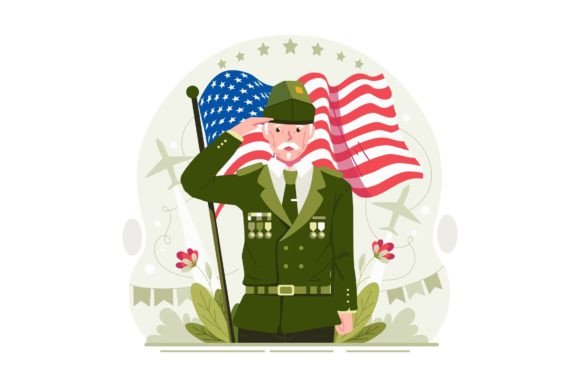
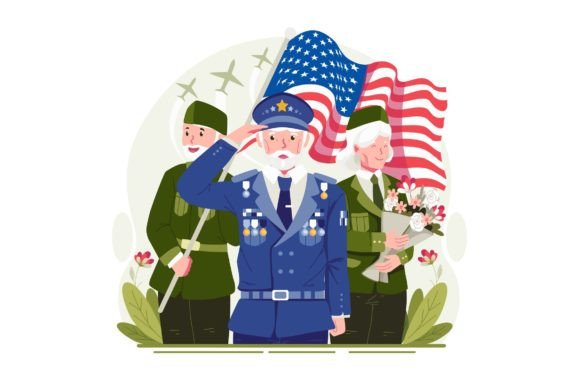
In the world of digital design and content creation, a high-quality illustration serves as more than just an image; it is a foundational asset that streamlines production, enriches communication, and elevates the final outcome. A Group of Veterans Illustration—depicting veterans with an American flag, holding flowers, and saluting—is precisely such an asset. Its immediate application for Veterans Day is clear, but its utility within a broader professional process is profound. For creators, marketers, educators, and business owners, this vector illustration is not merely a decorative element. It is a versatile tool that fits seamlessly into planning, execution, and delivery across multiple project types.
The Role of Vector Assets in a Streamlined Design Process
Before diving into specific use cases, it's crucial to understand where a ready-made illustration like this fits into a modern creative workflow. The process of developing visual content often begins with asset acquisition or creation. Searching for, licensing, or designing core imagery is a critical early-stage task. A Group of Veterans Illustration, provided in multiple formats (AI, EPS, SVG, PDF, PNG, JPG), directly addresses this need. Its scalable vector nature means it can be integrated at the very outset of a project's visual planning phase, eliminating the time-consuming step of creating a custom illustration from scratch.
This has a direct impact on efficiency and consistency. When you establish core visual assets early, you ensure that all subsequent materials—from the hero image on a landing page to icons on an infographic—maintain a cohesive style. The editable flat design of this veterans group illustration allows it to be adapted to match your existing brand palette or layout requirements without losing quality, which is a key aspect of professional quality control.
Practical Integration Across Project Types
The description lists applications such as Desktop web, Mobile web, Headers, Landing Pages, Hero Images, Infographics, Posters, Cards, and Banners. This isn't just a list of possibilities; it's a map for implementation. Each use case represents a different point in a project timeline and requires specific considerations for integration.
For Web and Digital Projects
When building a website or digital campaign for Veterans Day, the illustration can serve as the primary hero image. Integrating it involves considering technical compatibility and performance. The provided SVG file is ideal for web use as it is scalable, maintains crisp quality at any resolution, and typically has a small file size, aiding in page load speed—a crucial factor for user experience and SEO. The PNG and JPG high-DPI versions are perfect for fallbacks or specific placements where raster formats are preferred. In your workflow, after selecting the illustration, the next steps involve resizing it via the vector source files, optimizing export settings, and placing it within your wireframe or prototype. This asset interacts directly with your CMS, design software like Adobe XD or Figma, and your development environment.
For Print and Physical Media
The workflow for print materials like posters, cards, or banners involves a different set of preparation steps. Here, the 300 DPI PNG and JPG files, along with the PDF and EPS formats, become the primary resources. Quality control is paramount. Before sending files to a printer, you must ensure the illustration's resolution and color mode are correct for the output medium. Using the EPS or AI file within Adobe Illustrator allows you to make final adjustments—perhaps isolating a single veteran to focus on a card design, or incorporating the flag element into a larger banner layout. This stage of the process often comes after content copy has been finalized and the overall layout has been approved.
For Educational and Presentation Materials
Educators, bloggers, and freelancers creating infographics or presentation slides benefit from the illustration's clarity and symbolic power. In this workflow, the asset is used to convey a concept quickly and respectfully. The integration happens during the content assembly phase. You might import the SVG into Canva or PowerPoint, using it as a key visual anchor in a section discussing military service or national holidays. Its simplicity (flat design style) ensures it doesn't overwhelm textual information, making it an effective tool for enhancing comprehension and retention in learning materials.
Optimizing Your Workflow with this Veterans Illustration
To smoothly integrate A Group of Veterans Illustration into your routine, consider these practical implementation tips organized around common workflow stages:
- Asset Organization and Storage: Upon downloading, immediately organize the multiple file formats. Create a dedicated project folder or add them to your digital asset library with clear naming. This prevents future searches and ensures long-term usability.
- Compatibility Check: Before starting design work, verify that your preferred software (e.g., Illustrator for vectors, Photoshop for raster edits) can open the provided formats. The EPS and AI files are industry standards, ensuring wide compatibility.
- Adaptation and Editing: Use the vector source to adapt the illustration to your needs. Change colors to match your brand, crop or rearrange elements for different layouts, or combine it with other vector elements. This editing phase is where the asset's flexibility truly saves time.
- Consistency Application: When using the illustration across multiple deliverables (e.g., a banner, a social post, and a printed poster), derive all final assets from the same master vector file. This guarantees visual consistency across all touchpoints.
- Output Optimization: For web, export final versions in optimized SVG or WebP formats. For print, use the high-res PNG/JPG or a PDF generated from the vector source. Tailoring the output to its final medium is a critical last step in the production process.
Long-Term Value and Project Planning
The utility of this illustration extends beyond a single Veterans Day project. Its subject matter makes it a reusable asset for annual commemorations, historical content, or educational modules about service and patriotism. For small business owners or publishers planning their annual content calendar, knowing you have this quality asset in your library allows you to schedule Veterans Day content confidently months in advance. It reduces the resource allocation needed for that project, freeing up time and budget for other initiatives.
Furthermore, the illustration can interact with other resources in your workflow. It can be paired with custom typography for a poster, combined with data visualizations in an infographic, or serve as a background element in a video editing project. Its role is often collaborative, working alongside copywriting, layout design, and user experience planning to produce a finished product that is both aesthetically pleasing and effectively communicates its message.
Conclusion: An Asset for Efficient and Respectful Creation
A Group of Veterans Illustration is, in essence, a high-quality component that plugs directly into the planning and execution stages of diverse projects. Its value lies not only in its poignant subject matter but in its practical design—being scalable, editable, and multi-format. By understanding how to incorporate it at the right point in your workflow, from initial asset selection through to final output optimization, you leverage it to achieve greater efficiency, maintain visual consistency, and produce professional results that honor their theme. For the productivity-minded user, it transforms a creative need into a manageable, streamlined task, allowing focus to remain on the broader goals of your project.